Healthy Snacks for Kids: 14 Store-Bought Snacks Compared
By Guiltless ·
A healthy snack for a kid is mostly whole food, with little or no added sugar and a modest amount of sodium: fruit, vegetables, plain dairy, cheese, eggs, or a packaged snack whose label backs that up. Of 14 store-bought kids' snacks compared by their US labels, seven list 0 g of added sugars, and the most any of them lists is 9 g, more than a third of the 25 g a day the American Heart Association suggests for children over 2.
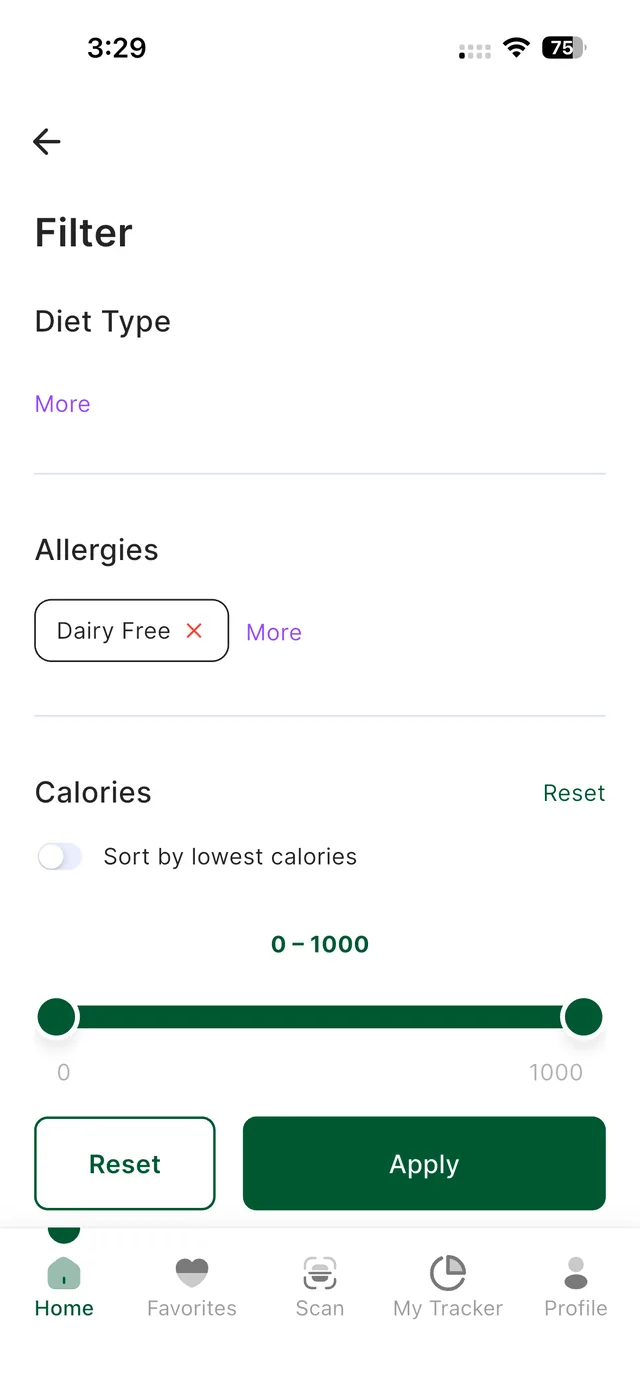
If you shop for snacks with your kids in tow, Guiltless, the grocery app we make, lets you filter products by allergy and diet type, when supported, and see their ingredients and Nutrition Facts before they go in the cart.
What makes a snack healthy for kids
A snack is a healthy pick for a child when it is mostly whole food, with little or no added sugar and a modest amount of sodium for the child's age. Fruit, vegetables, plain dairy, cheese and eggs fit without a label to check. For a packaged snack, three places on the package tell you whether it does:
- The first ingredients. Ingredients are listed by weight, from most to least, so a snack that starts with a fruit, a vegetable, milk, cheese, oats or another whole food has more of that food than of any other single ingredient. "Fruit" at the top doesn't settle it, though. Welch's Mixed Fruit snacks list fruit puree first, followed by corn syrup and sugar, and their label shows 8 g of added sugars.
- The Added Sugars line. It counts sugars put in during processing. Sugars found naturally in fruit and plain milk don't count, which is why a pouch of plain applesauce can show 12 g of Total Sugars and 0 g of Added Sugars.
- The sodium line. Crackers, cheese and lunch kits are where sodium adds up, and kids' daily limits are much lower than an adult's.
Fiber is worth a look as well. The National Academies set a daily fiber target (an Adequate Intake) of 19 g for ages 1 to 3, 25 g for ages 4 to 8, and 26 g for girls and 31 g for boys aged 9 to 13.
Daily limits for kids, by age
The %Daily Values on a standard Nutrition Facts label are based on adults and children 4 and older, so it helps to know your child's own daily numbers before comparing snacks.

Added sugars
The 2025-2030 Dietary Guidelines for Americans, published in January 2026, say to avoid added sugars in infancy and early childhood (birth to 4) and that "no amount of added sugars is recommended" for children aged 5 to 10. The AHA's 2016 scientific statement puts the limit for children and teens at 25 g a day or less and says children under 2 should avoid added sugars. An AHA article from October 2025 gives the same advice: about 6 teaspoons a day for kids over 2. In this post, 25 g is the yardstick for working out how much of a day's limit one snack uses.
Sodium
The Dietary Guidelines' limits for children follow the National Academies' 2019 sodium report: less than 1,200 mg a day for ages 1 to 3, less than 1,500 mg for ages 4 to 8 and less than 1,800 mg for ages 9 to 13. The adult limit, 2,300 mg, starts at 14.
Limits for snacks
The Dietary Guidelines also say snack foods should follow the added-sugar limits of the FDA's "healthy" claim. For example, grain snacks such as crackers should have no more than 5 g of added sugars per ¾ ounce whole-grain equivalent, and dairy snacks such as yogurt no more than 2.5 g per ⅔ cup equivalent.
Why the %Daily Value can mislead for kids
A standard Nutrition Facts label works out each %DV against an adult's daily values: 50 g of added sugars and 2,300 mg of sodium, for adults and children 4 and older on 2,000 calories a day. Foods made for children aged 1 to 3 use separate, lower values (25 g of added sugars and 1,500 mg of sodium), but the 14 snacks we compared all use the standard ones.
Take the Lunchables Turkey & Cheddar tray in our comparison. Its label lists 660 mg of sodium, shown as 29% DV. For a child aged 4 to 8, whose limit is 1,500 mg, the same tray is 44% of the day's sodium. For a child aged 9 to 13 it is 37% of 1,800 mg.
So when you compare snacks for a child, do the sum against their own limit: grams of added sugars out of 25, and milligrams of sodium out of 1,200, 1,500 or 1,800 depending on age.
14 store-bought kids' snacks, compared by label
The table is sorted by added sugars, then sodium. It compares numbers on the label, not overall nutrition, taste or price.
| Snack and flavor (US) | Serving | Calories | Added sugars (share of 25 g) | Sodium (share of 1,500 mg) | Protein | Fiber |
|---|---|---|---|---|---|---|
| GoGo squeeZ Applesauce, Apple Apple | 1 pouch (90 g) | 60 | 0 g (0%) | 0 mg (0%) | 0 g | 1 g |
| That's it. Apple + Strawberry fruit bar | 1 bar (35 g) | 100 | 0 g (0%) | 30 mg (2%) | 1 g | 4 g |
| SkinnyPop Original popcorn | 1 bag (18 g) | 100 | 0 g (0%) | 85 mg (6%) | 1 g | 1 g |
| Mini Babybel Original | 1 piece (20 g) | 70 | 0 g (0%) | 150 mg (10%) | 4 g | 0 g |
| Horizon Organic Mozzarella String Cheese | 1 stick (28 g) | 80 | 0 g (0%) | 200 mg (13%) | 7 g | 0 g |
| Goldfish Cheddar crackers | 1 pack (28 g) | 130 | 0 g (0%) | 240 mg (16%) | 3 g | Less than 1 g |
| Annie's Organic Cheddar Bunnies | 51 crackers | 140 | 0 g (0%) | 260 mg (17%) | 3 g | Less than 1 g |
| Lunchables Turkey & Cheddar | 1 tray (3.2 oz) | 250 | 3 g (12%) | 660 mg (44%) | 12 g | 0 g |
| Stonyfield Organic Kids Strawberry yogurt pouch | 1 pouch (99 g) | 90 | 4 g (16%) | 90 mg (6%) | 5 g | 0 g |
| MadeGood Chocolate Chip Granola Bites | 1 pouch (24 g) | 110 | 6 g (24%) | 5 mg (less than 1%) | 2 g | 2 g |
| Welch's Fruit Snacks, Mixed Fruit | 1 pouch (22.7 g) | 70 | 8 g (32%) | 0 mg (0%) | 1 g | Not listed |
| Kellogg's Rice Krispies Treats, Original | 1 bar (22 g) | 90 | 8 g (32%) | 105 mg (7%) | Less than 1 g | 0 g |
| Fruit by the Foot, Berry Tie-Dye | 1 roll | 80 | 9 g (36%) | 50 mg (3%) | 0 g | 0 g |
| Zbar Chocolate Chip | 1 bar (36 g) | 140 | 9 g (36%) | 105 mg (7%) | 2 g | 2 g |
US labels, one flavor or format per snack. Shares of 25 g of added sugars (AHA, children over 2) and 1,500 mg of sodium (Dietary Guidelines, ages 4 to 8) are calculated from the label. Other flavors and pack sizes differ.

What the labels show
Half of the snacks list no added sugars at all: the applesauce pouch, the fruit bar, the popcorn, both cheeses and both cheddar crackers. Fruit by the Foot and Zbar list the most, 9 g each, followed by Welch's Fruit Snacks and Rice Krispies Treats at 8 g. In a single serving, any one of them uses about a third of the 25 g a day the AHA suggests for children over 2, and two in a day use more than half.
Fruit snacks and fruit bars look alike but read very differently. That's it.'s bar lists two ingredients, apples and strawberries, and 0 g of added sugars (its 17 g of sugars come from the fruit). Fruit by the Foot lists sugar, maltodextrin and corn syrup before pear puree concentrate.
On the savory side, the Lunchables tray has both the most protein in the comparison, 12 g, and the most sodium, 660 mg. Goldfish and Cheddar Bunnies list 240 mg and 260 mg per serving, about a sixth of a 4-to-8-year-old's daily limit.
The cheeses add protein without added sugars: 7 g in a Horizon string cheese stick and 4 g in a Mini Babybel. A Stonyfield Kids yogurt pouch has 5 g of protein and 4 g of added sugars. Plain yogurt usually lists 0 g of added sugars, and you can sweeten it with fruit.
None of the 14 list a non-nutritive sweetener such as sucralose, aspartame or xylitol. If you see one on a kids' snack, the 2025-2030 Dietary Guidelines advise limiting foods with non-nutritive sweeteners too.
Healthy snack ideas that don't need a label
The simplest kids' snacks have no Nutrition Facts panel to read. The AAP suggests using snack time to add fruits and vegetables, and the Dietary Guidelines favor whole fruits and vegetables "in their original form" and full-fat dairy with no added sugars. Some easy pairings (for children under 4, cut them into pieces no larger than half an inch, as the choking section below explains):
- Fruit and cheese: apple slices or berries with a cheese stick or a few cubes of cheese
- Vegetables and a dip: cucumber, bell pepper or cooked carrot sticks with hummus or plain yogurt dip
- Plain yogurt with fruit: stir in berries or banana instead of buying it sweetened
- Eggs: a hard-boiled egg, cut into small pieces for younger children
- Whole-grain crackers with thinly spread nut butter, for children who aren't allergic to nuts
- Popcorn, or a small handful of nuts for children who aren't allergic to them, from age 4 or later, depending on the child
Snacks for kids under 4: choking hazards
For children under 4, how a snack is cut matters as much as what's in it. The AAP advises keeping high-risk foods from children until 4 or older, depending on the child, and cutting food into pieces no larger than half an inch. Its list includes:
- popcorn, nuts and seeds
- whole grapes, raw carrot sticks and raw apple chunks
- chunks of cheese or string cheese, meat sticks and hot dogs
- thick chunks of peanut butter or other nut butters
- marshmallows, chewing gum and hard, gooey or sticky candy
Round foods such as grapes can be served if they're chopped into tiny pieces.
Two brands in our comparison give the same advice. SkinnyPop's bag reads "Not recommended for children under 4", and Babybel's website tells parents to cut its cheese into bite-size pieces for children under 4.
How to spot added sugars and dyes on the ingredient list
The ingredient list shows where the grams on the Nutrition Facts panel come from.
Added sugars go by many names. The Dietary Guidelines suggest looking for ingredients with "sugar" or "syrup" in the name or ending in "-ose". Their list includes high-fructose corn syrup, agave syrup, rice syrup, dextrose, cane sugar, fruit juice concentrate, honey and molasses. MadeGood's bites, for example, list cane sugar, invert cane syrup, agave syrup and brown rice syrup, and 6 g of added sugars.
Synthetic dyes appear by name. FDA rules let certified color additives be listed as "Red 40", "Yellow 5" or "Blue 1", and a lake form as "Blue 1 Lake". In our comparison, only Fruit by the Foot lists them: Red 40 and Blue 1. The others color with annatto, paprika, turmeric, carrot juice or fruit and vegetable juice, or add no color at all.
The rules on dyes are changing. The FDA revoked Red No. 3 for food in January 2025, with a deadline of January 15, 2027, and is working with food makers to phase out six other synthetic dyes, including Red 40 and Blue 1, by the end of 2027, relying on voluntary pledges from food companies. The FDA's position is that approved color additives are safe when used as its regulations allow, and that most children have no adverse effects from them, though "certain children may be sensitive". The 2025-2030 Dietary Guidelines advise limiting foods with petroleum-based dyes.
Recipes change with these rules, so check the box you buy. Welch's, for example, says its fruit snacks are now made without Red 40 and Blue 1, so an older pouch may still list them.
Four checks before a snack goes in the lunchbox
Before a packaged snack goes in, read four things on it. Start with the first ingredients, then the added sugars against the 25 g a day the AHA suggests for children over 2, and the sodium against your child's age limit. Last, check the Contains line and any "may contain" line for your child's allergens.

Narrow the snack aisle with Guiltless
With a child beside you in the aisle, there isn't time to read every label. Guiltless can narrow the shelf first. It doesn't work out a snack's share of your child's limits, so those sums are still yours to do. In Guiltless, you can:
- set allergy filters, such as Nut Free and Peanut Free, when supported. The app has 8: gluten, dairy, soy, grain, shellfish, egg, nut and peanut. There is no sesame filter, and a filter doesn't replace the label, so read the package for any allergen that matters to your child, including any "may contain" line
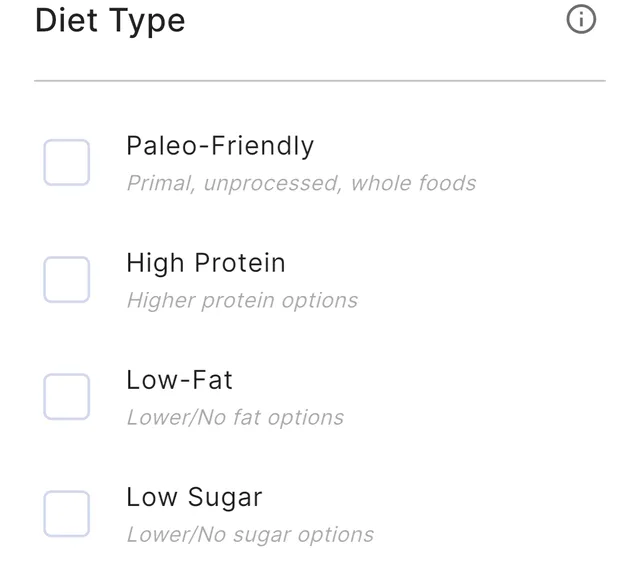
- filter by diet type, such as Low Sugar, when supported
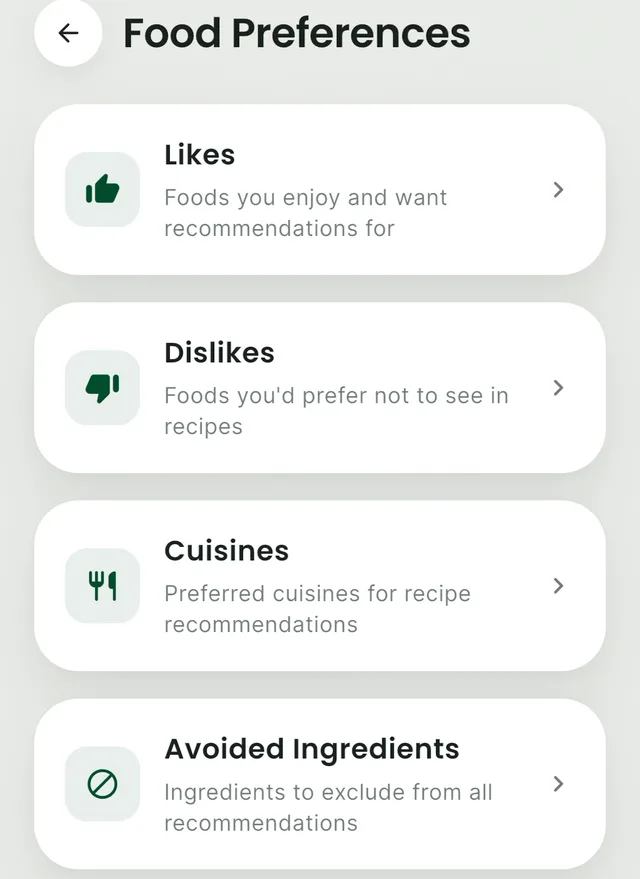
- list ingredients you want to avoid in Food Preferences, for the app's recommendations
- scan a barcode or search for a product to see its ingredient list, Nutrition Facts and its GCR Score (Guiltless Certified Rating), a 0 to 100 rating that considers nutrition, ingredients, additives and processing together
You can scan barcodes, though not every product is in the app. For more on how allergy filters work, see grocery apps that filter by allergen.
FAQ
What are some healthy snacks for kids?
Fruit, vegetables with a dip, plain yogurt with fruit, cheese, hard-boiled eggs and whole-grain crackers with a thin layer of nut butter. Store-bought snacks can fit too. In our comparison, the applesauce pouch, the fruit bar, the popcorn and both cheeses listed 0 g of added sugars and few ingredients, and the two cheddar crackers listed 0 g of added sugars with 240 mg and 260 mg of sodium per serving. For children under 4, cut food into small pieces and hold off on popcorn and nuts.
How much added sugar can a child have a day?
The AHA suggests 25 g or less a day for children and teens over 2, about 6 teaspoons, and none for children under 2. The 2025-2030 Dietary Guidelines for Americans go further: they recommend avoiding added sugars up to age 4 and say no amount is recommended for children aged 5 to 10.
How much sodium should kids have?
The Dietary Guidelines set limits of less than 1,200 mg a day for ages 1 to 3, 1,500 mg for ages 4 to 8 and 1,800 mg for ages 9 to 13. A snack with 240 mg, like a pack of Goldfish Cheddar, uses 16% of a 4-to-8-year-old's limit.
How many snacks should a child have a day?
The AAP suggests one or two snacks a day for 2-year-olds and for preschoolers, and its older guidance for young children says three meals and 2 or 3 snacks a day. It also suggests spacing snacks at least 2 hours before meals.
Is juice a good snack for kids?
The AAP recommends no juice for babies under 1 and limits it for older children: at most 4 ounces a day for ages 1 to 3, 4 to 6 ounces for ages 4 to 6, and 8 ounces for ages 7 to 18. The Dietary Guidelines say 100% juice should be kept to limited portions or diluted with water. Whole fruit is the alternative.
Are fruit snacks healthy?
Fruit snacks in our comparison listed 8 g to 9 g of added sugars per serving, about a third of the 25 g a day the AHA suggests for children over 2, even when fruit puree comes first on the ingredient list. A fruit bar made only of fruit, like That's it.'s apple and strawberry bar, listed 0 g of added sugars.
This article is general information, not medical advice. If your child has a health condition, a food allergy or specific nutrition needs, talk to your pediatrician or a registered dietitian.
Sources
Product labels: US labels read on October 10, 2026, from each brand's website, except Fruit by the Foot (General Mills SmartLabel) and Rice Krispies Treats (Kellanova SmartLabel, last updated June 17, 2024, for a 96-count pack of the same 22 g bar). Welch's, That's it., Zbar and SkinnyPop show their labels as package images on their websites. Some retailer listings showed different figures, probably from older labels: Zbar at 150 calories and 8 g of added sugars, and Lunchables at 770 mg of sodium. GoGo squeeZ's website lists the pouch's sodium as "0g", shown in the table as 0 mg. Other sources read on October 10, 2026.
- Snacks: GoGo squeeZ Apple Apple, That's it. Apple + Strawberry, SkinnyPop Original 0.65 oz, Mini Babybel Original, Horizon Organic Mozzarella String Cheese, Goldfish Cheddar, Annie's Organic Cheddar Bunnies, Lunchables Turkey & Cheddar, Stonyfield Organic Kids Strawberry pouch, MadeGood Chocolate Chip Granola Bites, Welch's Mixed Fruit, Rice Krispies Treats SmartLabel (Kellanova), Zbar Chocolate Chip, Fruit by the Foot SmartLabel (General Mills)
- USDA and HHS, Dietary Guidelines for Americans, 2025-2030 (January 2026), listed as current by ODPHP, and its Scientific Foundation
- Vos and colleagues, Added Sugars and Cardiovascular Disease Risk in Children: A Scientific Statement From the American Heart Association, Circulation (2017, online 2016), and the AHA's professional summary and October 2025 article on added sugar
- National Academies, Dietary Reference Intakes for Sodium and Potassium (2019), and the DRI summary tables for fiber
- FDA, 21 CFR 101.9 (Daily Values for adults and children 4 and older, and for children 1 through 3), Daily Value on the Nutrition and Supplement Facts Labels and Use of the "Healthy" Claim on Food Labeling
- FDA, 21 CFR 101.4 (ingredients in descending order by weight), 21 CFR 101.22 (how color additives are declared), FD&C Red No. 3, Tracking Food Industry Pledges to Remove Petroleum Based Food Dyes and Color Additives Questions and Answers for Consumers
- American Academy of Pediatrics, HealthyChildren.org: Choking Prevention for Babies & Children, Choosing Healthy Snacks for Kids, Feeding and Nutrition Tips: Your 2-Year-Old, Preschool Food and Feeding, Making Sure Your Child is Eating Enough (2012) and AAP Recommends No Fruit Juice for Children Under 1 Year (2017)