Is Sourdough Bread Gluten-Free?
By Guiltless ·
Sourdough bread made with wheat, rye or barley flour is not gluten-free, because the fermentation that makes it sour does not remove the gluten. The FDA does not count fermentation as a way to remove gluten, and Colorado State University Extension says sourdough made with gluten-containing flour is not safe for people with celiac disease. A sourdough made only from gluten-free flours, such as rice or sorghum, can be gluten-free. To know which one you have, read the label.
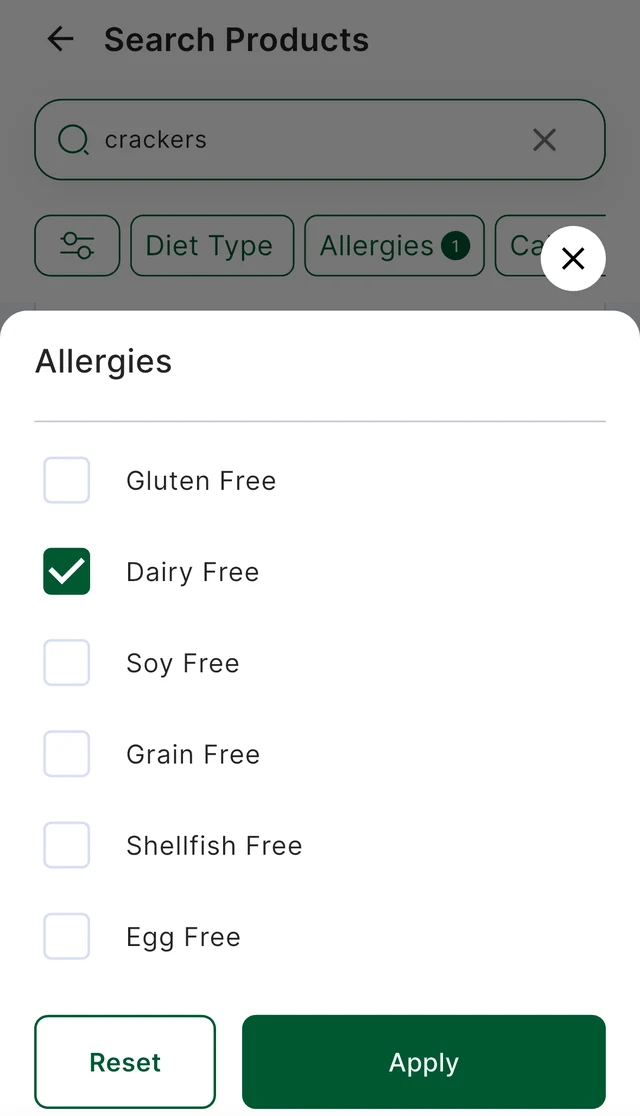
Guiltless, the grocery app we make, has a Gluten Free allergy filter for products, when supported. Not every product is in the app.
Where the gluten in sourdough comes from
Traditional sourdough bread is made with flour, salt and water, and it rises through fermentation by wild yeast and lactic acid bacteria instead of commercial yeast. The yeast and bacteria live in a starter, a mix of flour and water that the baker keeps feeding with more flour and water. The bacteria turn sugars from the flour into lactic acid, and they turn alcohol made by the yeast into acetic acid. These acids give sourdough its sour taste.
Gluten is a protein found naturally in wheat, barley and rye. It is what gives bread its shape, strength and texture. A sourdough made with wheat flour, or with a starter fed on wheat or rye flour, contains gluten, like other bread made from those flours.
Does fermentation remove gluten from sourdough?
No. The FDA does not consider fermentation a process that removes gluten. During fermentation, proteins are broken into smaller pieces called peptides. The FDA acknowledges that fermentation can break down gluten at least partly. However, the FDA says standard gluten tests may not accurately measure the gluten in fermented foods, so a lower test result after fermentation does not show that the gluten is gone.
For that reason, under FDA rules a fermented food made from wheat, rye or barley cannot be labeled gluten-free unless the grain was processed to remove gluten and the food had less than 20 parts per million (ppm) of gluten before fermentation.
Gluten Free Watchdog, a US subscription service that tests foods for gluten, tested three artisanal wheat sourdough breads. All three were above 20 ppm, and one measured 104,000 ppm.
Whether sourdough fermentation could be used to make bread that is safe for people with celiac disease is still a research question. A Colorado State University project funded by the US Department of Agriculture is studying it.
Is sourdough safe for people with celiac disease?
Sourdough made with wheat, rye or barley flour is not safe for people with celiac disease, according to Colorado State University Extension. The extension service says that strict avoidance of gluten is the only way to manage the symptoms of celiac disease, so any gluten-containing bread, sourdough included, is not safe for people with celiac disease to eat. The National Institute of Diabetes and Digestive and Kidney Diseases (NIDDK) says people with celiac disease need to follow a gluten-free diet for life.
Celiac disease is different from gluten sensitivity and from a wheat allergy, according to NIDDK. Colorado State University Extension says research is ongoing into whether sourdough is easier to tolerate for people with gluten sensitivity. If you have celiac disease, gluten sensitivity or a wheat allergy, ask your doctor or a registered dietitian before you add any bread to your diet.
Which sourdough flours have gluten
| Flour in the sourdough | Gluten? | Notes |
|---|---|---|
| Wheat, including whole wheat, durum and semolina | Yes | Durum and semolina are types of wheat |
| Spelt, einkorn, emmer, khorasan and farro | Yes | All types of wheat |
| Rye | Yes | Rye's main gluten protein is called secalin |
| Barley, including malt | Yes | Barley's main gluten protein is called hordein |
| Oats | Oats themselves have no gluten | Oats are often in contact with gluten grains, so look for oats labeled gluten-free |
| Rice, sorghum, buckwheat, quinoa, corn, amaranth and cassava | No | Gluten-free flours |
From the FDA's gluten-free labeling rule and allergen labeling guidance, NIDDK and the Celiac Disease Foundation.
A label that says "wheat-free" is not the same as "gluten-free." The Celiac Disease Foundation says a wheat-free product may still contain rye or barley ingredients that are not gluten-free.
Can sourdough be gluten-free?
Yes, if it is made only from gluten-free flours and a gluten-free starter, and it meets the FDA's gluten-free rules. Under FDA rules, grains other than wheat, rye and barley can be labeled gluten-free if any gluten from cross-contact stays under 20 parts per million. Researchers at the US Department of Agriculture have made gluten-free sourdough bread mainly from sorghum flour.
For a packaged sourdough to say "gluten-free," "no gluten," "free of gluten" or "without gluten" on its label, FDA rules require that:
- it has less than 20 ppm of gluten;
- it contains no wheat, rye or barley grain, and no ingredient made from them that has not been processed to remove gluten, such as wheat flour;
- the maker keeps records, because the bread is fermented. The records must show that the food met the gluten-free rules before fermentation, and that the maker checked for gluten cross-contact and took steps to prevent it where needed. Makers must keep these records for at least 2 years and show them to the FDA on request.
The gluten-free claim is voluntary. A food can be gluten-free without saying so on the package.
How to check a sourdough label for gluten
- Look for a gluten-free claim. "Gluten-free," "no gluten," "free of gluten" and "without gluten" all mean less than 20 ppm of gluten under FDA rules.
- Read the ingredient list, not only the name. There is no US standard for what sourdough bread must contain, so the word "sourdough" does not tell you which flour or starter was used. Look for wheat, spelt, rye, barley and malt.
- Check the ingredient list and the "Contains" statement for wheat. Wheat is a major food allergen, so a packaged food with an ingredient that contains wheat protein must name wheat in the ingredient list, such as "flour (wheat)," or in a "Contains" statement. Rye and barley are not major allergens, so the "Contains" statement does not have to name them. Check the ingredient list for those.
- If a gluten-free bread lists wheat, look for an asterisk or other symbol after "wheat." FDA rules require the word "wheat" on a gluten-free food to be followed by an asterisk (or other symbol) that points to this statement: "The wheat has been processed to allow this food to meet the Food and Drug Administration (FDA) requirements for gluten-free foods." The bread still contains an ingredient made from wheat.
- Ask at the bakery. If a loaf has no label, ask which flours and starter it is made with.

Filter and scan with Guiltless
Guiltless is a food scanner app for grocery shopping, so you can check products before they go in your cart. In Guiltless, you can:
- filter products with the Gluten Free allergy filter, when supported. A diet type filter and an allergy filter work together in search, when supported. Filter results depend on the app's product data, so read the package for the gluten-free claim and the ingredient list. The allergy filters have no wheat option, and the Gluten Free filter is not a wheat-allergy filter. Our post on grocery apps that filter by allergen explains why a gluten-free filter is not a wheat-allergy filter.
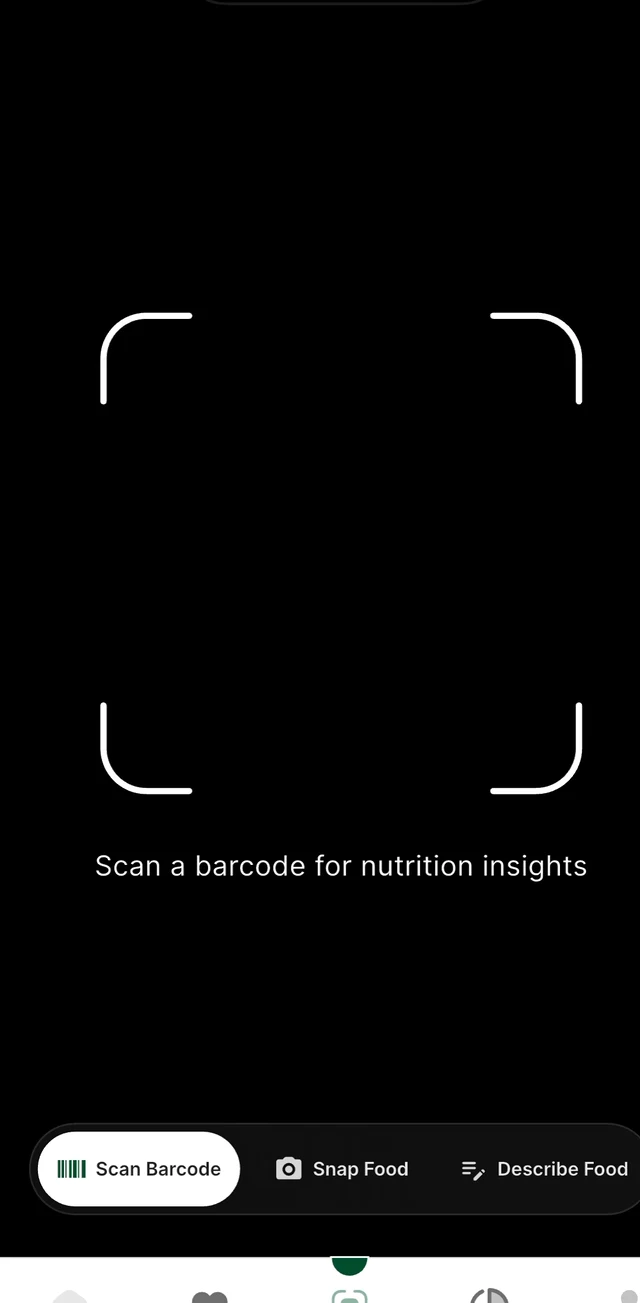
- scan a product's barcode, or search for it, to see its GCR Score (Guiltless Certified Rating), a 0 to 100 rating designed to help you compare grocery products. It considers several factors, including nutritional quality, ingredients and additives, degree of processing and organic status where applicable. Not every product is in the app.
- add products to your cart, then save or share the list through your phone's share menu. From the cart, order on-demand, where available.
As you build your list, read the gluten-free claim and the ingredient list on the package.
For more on reading labels, our healthy grocery list explains the Nutrition Facts label.
FAQ
Is sourdough bread gluten-free?
Not unless it is made from gluten-free flours. Sourdough made with wheat, rye or barley flour contains gluten, and fermentation does not remove it. A packaged sourdough labeled gluten-free must have less than 20 parts per million of gluten under FDA rules.
Can people with celiac disease eat sourdough bread?
Not sourdough made with wheat, rye or barley. Colorado State University Extension says any gluten-containing bread, sourdough included, is not safe for people with celiac disease. A sourdough labeled gluten-free has to meet the FDA's gluten-free rules. Ask your doctor or a registered dietitian about your own diet.
Does fermentation remove gluten from sourdough?
No. The FDA does not consider fermentation a process that removes gluten. Fermentation breaks some proteins into smaller pieces, but standard tests may not measure the gluten in fermented foods accurately, so a lower result after fermentation does not mean the gluten is gone.
Is spelt or einkorn sourdough gluten-free?
No. Spelt, einkorn, emmer, durum and khorasan are all types of wheat, so sourdough made with them contains gluten.
Is rye sourdough gluten-free?
No. Rye contains gluten. Because rye is not one of the major food allergens, a label does not have to name it in a "Contains" statement, so check the ingredient list.
Is there gluten-free sourdough bread?
Yes. Sourdough can be made from gluten-free flours, such as rice or sorghum, with a gluten-free starter. A packaged one labeled gluten-free must meet the FDA's rules, including less than 20 parts per million of gluten.
This article is general information, not medical advice. If you have celiac disease, a food allergy or specific nutrition needs, talk to your doctor or a registered dietitian.
Sources
Sources read on October 21, 2026.
- FDA gluten-free labeling rule, 21 CFR 101.91, eCFR text current to October 19, 2026: definitions of gluten and gluten-containing grains, the 20 ppm limit, the "wheat" asterisk statement in paragraph (b)(3) and the records required for fermented foods in paragraph (c).
- FDA, Gluten and Food Labeling, for what gluten does in bread, the 20 ppm limit and the claim being voluntary, and Questions and Answers on the Gluten-Free Food Labeling Final Rule, for fermentation not being a process to remove gluten, the rule for fermented foods, and the rule for grains other than wheat, rye and barley.
- FDA, Food Labeling; Gluten-Free Labeling of Fermented or Hydrolyzed Foods, 85 FR 49240 (August 13, 2020), effective October 13, 2020, for partial breakdown of gluten by fermentation (page 49251) and the names of rye and barley gluten proteins (page 49242). The rule names foods such as yogurt, cheese, beer and sauerkraut; it does not name sourdough.
- FDA, Food Labeling; Gluten-Free Labeling of Foods, 78 FR 47154 (August 5, 2013), for the claim being voluntary.
- FDA, Food Allergies, and the FDA's allergen labeling guidance, Edition 5 (January 2025), question C.9, for the types of wheat. The major food allergens are defined in the FD&C Act, 21 U.S.C. 321(qq), and their labeling in 21 U.S.C. 343(w).
- Colorado State University Extension, Understanding and Selecting Sourdough for Health Benefits, Fact Sheet 9.377 (2022), for how sourdough is made, there being no US standard of identity for sourdough bread, celiac disease and the ongoing research on gluten sensitivity.
- National Institute of Diabetes and Digestive and Kidney Diseases, Definition & Facts for Celiac Disease and Eating, Diet, & Nutrition for Celiac Disease.
- Celiac Disease Foundation, Sources of Gluten, for farro and for wheat-free not meaning gluten-free.
- Gluten Free Watchdog, Sourdough Wheat Bread is NOT Safe for Folks with Celiac Disease (February 19, 2018). Three loaves were tested between 2015 and 2018. One measured 104,000 ppm by sandwich R5 ELISA. The other two were each reported only as above 84 ppm by sandwich R5 ELISA and above 283 ppm by competitive R5 ELISA, because their samples were not diluted further. Gluten Free Watchdog is a subscription testing service.
- Schober, Bean and Boyle, "Gluten-free sorghum bread improved by sourdough fermentation: biochemical, rheological, and microstructural background", Journal of Agricultural and Food Chemistry (2007), US Department of Agriculture, Agricultural Research Service.
- US Department of Agriculture, National Agricultural Library, Targeted fermentation approaches for sustainable production of celiac-safe bread via biochemical characterization of sourdough microbiomes, a Colorado State University project funded by the National Institute of Food and Agriculture, 2023 to 2026.