Is Soy Sauce Gluten-Free?
By Guiltless ·
Most soy sauce is not gluten-free, because it is ordinarily made by fermenting soybeans with wheat, and wheat contains gluten. The FDA says that, in general, soy sauce made from soybeans and wheat, or any other gluten-containing grain, cannot be labeled gluten-free. Soy sauce made without wheat or other gluten grains can be. Gluten-free soy sauce exists, and the label is how you tell which one you have.
Guiltless, the grocery app we make, has Gluten Free and Soy Free allergy filters for products, when supported. Not every product is in the app.
Why regular soy sauce has gluten
The FDA describes soy sauce as a food "ordinarily made by fermenting a mixture of soybeans and wheat," and notes that some soy sauces are not made with wheat. In the traditional method, as FDA scientists describe it, soybeans and wheat are covered with mold to make koji, the koji is mixed with salt water to make a mash called moromi, and the moromi ages for several months while lactic acid bacteria and yeast ferment it.
Gluten is a protein found naturally in wheat, barley and rye. Soybeans are not on the FDA's list of gluten-containing grains, and the National Institute of Diabetes and Digestive and Kidney Diseases (NIDDK) lists soy among the foods whose flour is gluten-free. So the gluten in regular soy sauce comes from the wheat, not the soy. The Celiac Disease Foundation lists traditional soy sauce among common foods that contain gluten.
Not every soy sauce is brewed. The FDA says acid-hydrolyzed protein is often added to soybeans and other ingredients to make soy sauce that does not go through a traditional fermentation. Hydrolysis breaks proteins into smaller pieces with water, and the FDA does not count it as a way to remove gluten either. Under FDA labeling rules, a hydrolyzed protein on an ingredient list must name its source, such as "hydrolyzed wheat gluten" or "hydrolyzed soy protein." "Hydrolyzed vegetable protein" on its own is not an acceptable name.
Does fermentation remove the gluten from soy sauce?
No. The FDA does not consider fermentation a process that removes gluten. During fermentation, proteins are broken into smaller pieces called peptides. The FDA says standard gluten tests may not accurately detect and measure gluten in fermented foods, so a low or negative test after brewing does not show that the gluten is gone.
For that reason, under FDA rules a soy sauce made from wheat can be labeled gluten-free only if the wheat was processed to remove gluten, so that the soy sauce had less than 20 parts per million (ppm) of gluten before fermentation. A soy sauce brewed from ordinary wheat flour or wheat grain does not meet that rule.
Researchers have not settled whether any gluten is left in soy sauce after brewing. In a study funded by the FDA, researchers at the Illinois Institute of Technology, the University of Maryland, the FDA and a soy sauce maker's US research laboratory found that standard gluten tests stopped detecting gluten after the moromi stage of fermentation. The same tests did not detect gluten in commercial soy sauce, teriyaki sauce or Worcestershire sauce. The authors wrote that more research is needed to find out whether all the parts of gluten that can trigger celiac disease are broken down during soy sauce production. A 2019 review by FDA scientists describes a separate study that found intact gluten in a teriyaki sauce and gluten-derived peptides in one soy sauce and two Worcestershire sauces, though the amount could not be measured.
Is tamari gluten-free?
Not always. Tamari made without wheat is gluten-free, according to the Celiac Disease Foundation, but some tamari can contain wheat. Tricia Thompson, the registered dietitian who founded Gluten Free Watchdog, a US subscription gluten-testing service, advises against relying only on the name, soy sauce or tamari, to decide whether a product is gluten-free.
Federal food rules set no standard for what soy sauce or tamari must contain, so neither name tells you which grains were used. Look for a gluten-free claim and read the ingredient list.
If you shop in Guiltless, you can narrow your product search, when supported, with the Gluten Free allergy filter, or with the Soy Free allergy filter if you avoid soy. Filter results depend on the app's product data, so check the label too.
Can you have soy sauce on a gluten-free diet?
Yes, if the soy sauce is gluten-free: one made without wheat or other gluten-containing grains, or one labeled gluten-free under the FDA's rules. Regular soy sauce made with wheat contains gluten.
NIDDK says people with celiac disease need to follow a gluten-free diet for life. The FDA advises people with celiac disease to read labels to avoid gluten ingredients, not only to look for a "gluten-free" claim. Gluten Free Watchdog says that in the US, products made with wheat-based soy sauce and labeled gluten-free are misbranded, and that until better testing is available, people avoiding gluten probably should not routinely use traditionally brewed soy sauce made with wheat.
Celiac disease is different from gluten sensitivity and from a wheat allergy, according to NIDDK. Soy sauce made with wheat contains wheat no matter what a gluten test shows, and soy sauce is ordinarily made with soybeans, so the label matters for wheat and soy allergies too. If you have celiac disease, gluten sensitivity or a food allergy, ask your doctor or a registered dietitian about your own diet.
What a soy sauce label tells you
| On the label | What it tells you |
|---|---|
| "Gluten-free," "no gluten," "free of gluten" or "without gluten" | The soy sauce must meet the FDA's gluten-free rules, including less than 20 ppm of gluten. Because soy sauce is fermented, the maker must keep records showing it met the rules before fermentation. |
| "Wheat" in the ingredient list, or "Contains wheat" | The soy sauce is made with wheat. Wheat is a major food allergen, so a packaged food made with it must name it. |
| "Wheat" followed by an asterisk or other symbol, on a gluten-free label | The symbol points to a statement, required by the FDA, that the wheat was processed to meet the gluten-free requirements. The soy sauce still has an ingredient made from wheat. |
| "Soy," "soybeans" or "soya," or "Contains soy" | The soy sauce contains soy, also a major food allergen. |
| "Soy sauce" or "tamari" as the name | Neither name tells you whether wheat was used. |
| "Hydrolyzed wheat gluten" or "hydrolyzed soy protein" | A hydrolyzed protein, named by its source. The FDA does not count hydrolysis as a way to remove gluten. |
From the FDA's gluten-free labeling rule and its questions and answers, the FD&C Act's allergen labeling rules, the FDA's rule on naming protein hydrolysates and the FDA's "Food Allergies" page.
The gluten-free claim is voluntary. A soy sauce made without gluten grains does not have to say "gluten-free" on the bottle, which is why the ingredient list matters.
Sauces and foods that are often made with soy sauce
The FDA says soy sauce is used in other Asian-style sauces, such as oyster sauce, black bean sauce, teriyaki sauce, stir-fry sauce, hoisin sauce, plum sauce and yakitori sauce. The Celiac Disease Foundation says marinades and salad dressings may contain soy sauce. It also says tofu is gluten-free but tells readers to be cautious of soy sauce marinades.
Under FDA rules, a food labeled gluten-free that contains a fermented ingredient, such as soy sauce, needs records showing the fermented ingredient is gluten-free. In December 2020, the FDA posted records for a company's Class III recall of a line of sauces labeled gluten-free, including teriyaki, ponzu, yakitori and shoyu sauces. The records say the sauces contained a fermented soy sauce made from wheat that was not processed to remove the gluten before fermentation. Class III is the FDA's recall class for products not likely to cause adverse health consequences.
How to check soy sauce for gluten
- Look for a gluten-free claim. "Gluten-free," "no gluten," "free of gluten" and "without gluten" all mean the soy sauce must meet the FDA's gluten-free rules, including less than 20 ppm of gluten.
- Read the ingredient list, not only the name. Look for wheat, barley, rye and hydrolyzed wheat gluten. The words "soy sauce" or "tamari" do not tell you the grain.
- Check the ingredient list and the "Contains" statement for wheat and soy. Wheat and soy are major food allergens, so a packaged soy sauce made with them must name them in the ingredient list or in a "Contains" statement, such as "Contains wheat, soy."
- If a gluten-free soy sauce lists wheat, look for an asterisk or other symbol after "wheat." It must point to this statement: "The wheat has been processed to allow this food to meet the Food and Drug Administration (FDA) requirements for gluten-free foods." Fermentation alone does not count as processing to remove gluten.
- Ask when you eat out. Allergen labeling law covers most packaged foods, but it leaves out most restaurant food that is not pre-packaged with a label. Gluten Free Watchdog suggests asking whether a sauce contains soy sauce and whether that soy sauce contains wheat. For a dish called gluten-free, the FDA suggests asking what the restaurant means by "gluten-free," what ingredients are used and how the dish is prepared.

Filter and scan with Guiltless
Guiltless is a food scanner app for grocery shopping, so you can check products before they go in your cart. In Guiltless, you can:
- filter products with the Gluten Free allergy filter, when supported. If you avoid soy, there is a Soy Free allergy filter too. A diet type filter and an allergy filter work together in search, when supported. Filter results depend on the app's product data, so read the package for the gluten-free claim, the ingredient list and the "Contains" statement. The allergy filters have no wheat option; our post on grocery apps that filter by allergen explains why a gluten-free filter is not a wheat-allergy filter.
- scan a product's barcode, or search for it, to see its GCR Score (Guiltless Certified Rating), a 0 to 100 rating designed to help you compare grocery products. It considers several factors, including nutritional quality, ingredients and additives, degree of processing and organic status where applicable. Not every product is in the app.
- add products to your cart, then save or share the list through your phone's share menu. From the cart, order on-demand, where available.
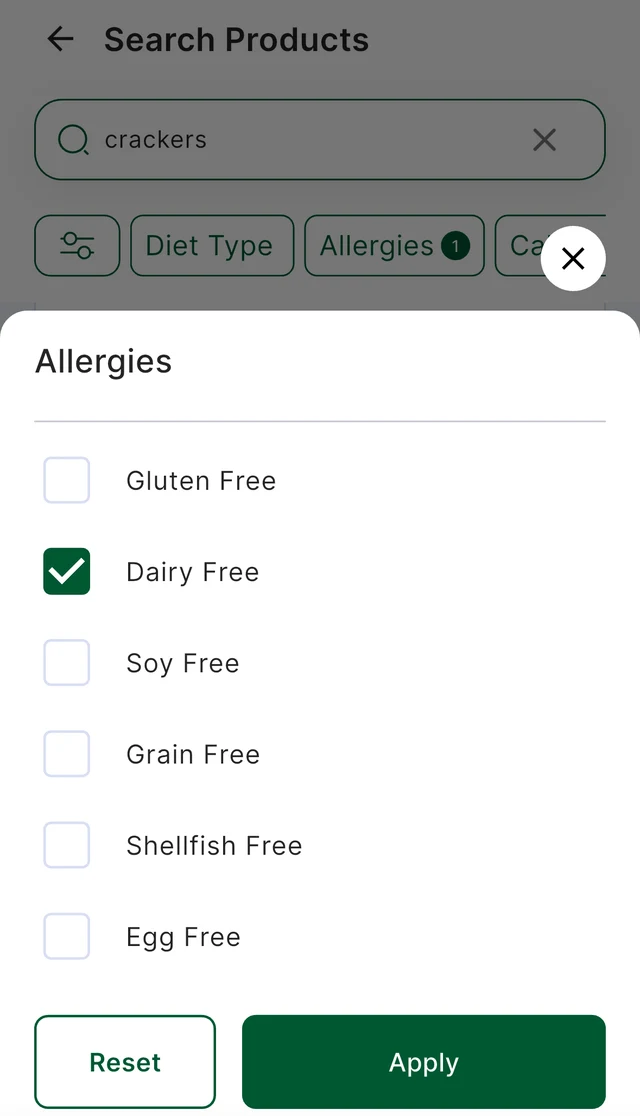
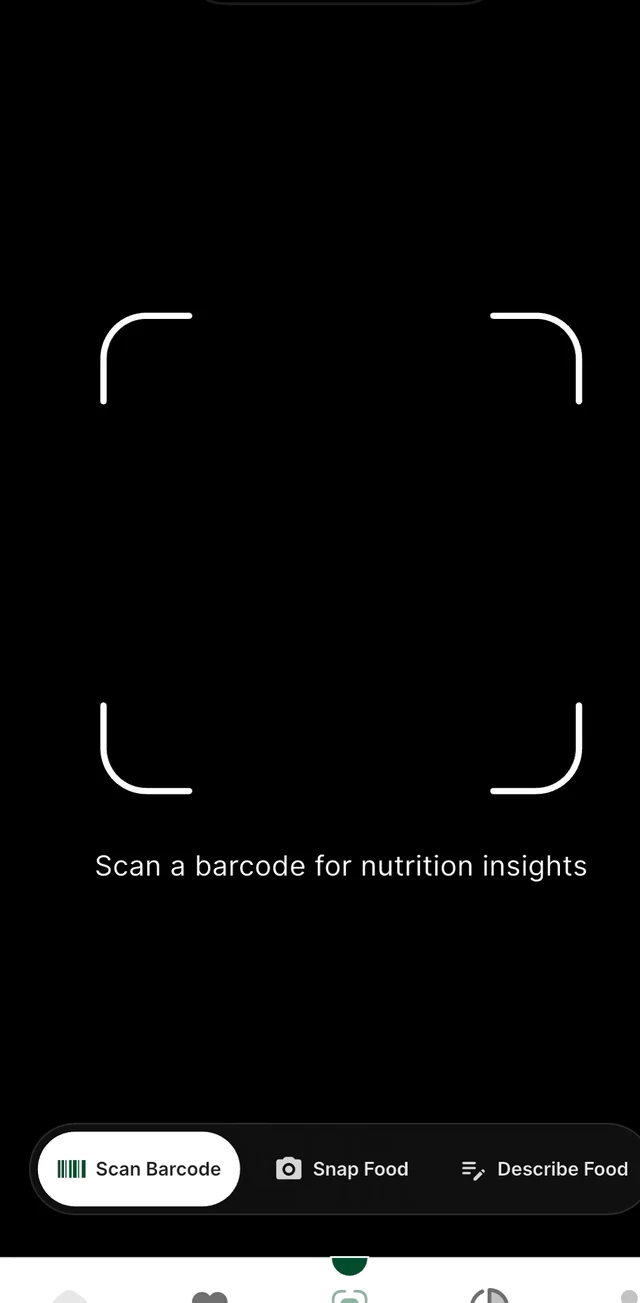
As you build your list, read the gluten-free claim, the ingredient list and the "Contains" statement on each bottle.
Soy sauce is not the only fermented food these FDA rules cover. Our post on whether sourdough bread is gluten-free explains the same rules for bread.
FAQ
Is soy sauce gluten-free?
Most soy sauce is not. Regular soy sauce is made by fermenting soybeans with wheat, and the FDA does not consider fermentation a process that removes gluten. Soy sauce made without wheat or other gluten-containing grains can be gluten-free, and one labeled gluten-free must meet the FDA's rules, including less than 20 parts per million of gluten.
Is there gluten-free soy sauce?
Yes. Soy sauce made without wheat or another gluten-containing grain can be labeled gluten-free. So can soy sauce made with wheat that was processed to remove gluten before fermentation, as long as the soy sauce had less than 20 parts per million of gluten before fermentation. Look for a gluten-free claim and read the ingredient list.
Is tamari gluten-free?
Not always. Tamari made without wheat is gluten-free, according to the Celiac Disease Foundation, but some tamari can contain wheat. Check the ingredient list or look for a gluten-free claim.
Does fermentation remove gluten from soy sauce?
No. The FDA does not consider fermentation a process that removes gluten. Fermentation breaks proteins into smaller pieces, but standard tests may not accurately measure the gluten in fermented foods, so a negative test after brewing does not mean the gluten is gone.
Can people with celiac disease have soy sauce?
NIDDK says people with celiac disease need a gluten-free diet for life, so any soy sauce they use needs to be gluten-free: one labeled gluten-free, which must meet the FDA's rules, or one made without wheat, barley or rye. Regular soy sauce made with wheat contains gluten. Ask your doctor or a registered dietitian about your own diet.
Is soy gluten-free?
Yes. Soybeans are not a gluten-containing grain under the FDA's rules, and NIDDK lists soy among the foods whose flour is gluten-free. The gluten in regular soy sauce comes from the wheat. Soy itself is one of the major food allergens, which is a separate question from gluten.
This article is general information, not medical advice. If you have celiac disease, a food allergy or specific nutrition needs, talk to your doctor or a registered dietitian.
Sources
Sources read on October 22, 2026.
- FDA gluten-free labeling rule, 21 CFR 101.91, eCFR text current to October 19, 2026: the gluten-containing grains, the 20 ppm limit, the "wheat" asterisk statement in paragraph (b)(3), and the records required for fermented and hydrolyzed foods and ingredients in paragraph (c).
- FDA, Questions and Answers on the Gluten-Free Food Labeling Final Rule: the answer on whether soy sauce can be labeled gluten-free, fermentation and hydrolysis not being processes to remove gluten, the limits of standard tests for fermented foods, reading labels with celiac disease, and claims in restaurants.
- FDA, Food Labeling; Gluten-Free Labeling of Fermented or Hydrolyzed Foods, 85 FR 49240 (August 2020). The rule names foods such as yogurt, cheese, vinegar and beers; it does not name soy sauce. The FDA addresses soy sauce in its questions and answers above.
- FDA, Gluten and Food Labeling, for the gluten-free claim being voluntary, and the consumer update "Gluten-Free" Means What It Says, for the questions to ask at a restaurant.
- FDA, Food Allergies, for how major allergens are named on labels and which foods the allergen labeling law covers. Wheat and soybeans are major food allergens under the FD&C Act, 21 U.S.C. 321(qq), and their labeling is set by 21 U.S.C. 343(w).
- FDA rule on naming protein hydrolysates, 21 CFR 102.22. An eCFR search for "soy sauce," "tamari" and "shoyu" found no standard of identity for any of them.
- FDA, Compliance Policy Guide Sec. 500.500 (2008), background section, for soy sauce made with acid-hydrolyzed protein and the Asian-style sauces made with soy sauce. The guide itself is about a chemical contaminant, not gluten.
- FDA enforcement records F-0152-2021 to F-0159-2021 (openFDA food enforcement data), reported December 16, 2020, Class III, and FDA, Recalls Background and Definitions, for what Class III means.
- Panda and Garber, "Detection and Quantitation of Gluten in Fermented-Hydrolyzed Foods by Antibody-Based Methods: Challenges, Progress, and a Potential Path Forward", Frontiers in Nutrition (2019), a review by FDA scientists, for how soy sauce is brewed and the study that found gluten-derived material in some soy-based sauces.
- Cao and others, "Detection of Gluten during the Fermentation Process To Produce Soy Sauce", Journal of Food Protection 80(5):799 to 808 (2017), funded by the FDA (grant U19 FD005322). Read as an abstract. Seven of the eight authors are from the Illinois Institute of Technology, the University of Maryland and the FDA; the eighth was affiliated with a soy sauce maker's US research laboratory. The first author's 2016 Illinois Institute of Technology thesis, on related work, says its pilot-plant soy sauce was made at that company's research center in Japan.
- National Institute of Diabetes and Digestive and Kidney Diseases, Definition & Facts for Celiac Disease and Eating, Diet, & Nutrition for Celiac Disease.
- Celiac Disease Foundation, Sources of Gluten, for traditional soy sauce, tamari made without wheat, marinades and salad dressings, and tofu.
- Gluten Free Watchdog, a US subscription gluten-testing service that does not accept advertising or manufacturer sponsorship: Traditionally brewed soy sauce: Is it actually free of gluten peptides? (October 2025), an opinion piece, for misbranding and its advice on routine use; Restaurants: Stop Using Wheat-Based Soy Sauce in Gluten-Free Meals (January 2020), where the founder's reply to a reader comment, dated January 16, 2020, says some tamari can contain wheat; and Letter to Restaurant Managers (April 2018), for the questions to ask about soy sauce when eating out.